Energy crisis intensifies as governments weigh supply and demand responses
Share this page
by Rosita Zilli, Policy Director, and Marianne Lazarovici, Policy Officer
Entering its fifth week, the war in Iran, which has escalated across the region, is showing no sign of slowing down. Repercussions on energy prices worldwide have been significant, including in Europe, where pressure is mounting to provide solutions to stabilise prices and secure supply. While several EU countries and the US are calling to rethink the relationship with Russia to access cheap energy sources, Japan has advocated for further coordinated action on supply through the International Energy Agency (IEA). In parallel, the organisation is proposing exploring demand-side solutions to alleviate the effects of the looming energy crisis.
A small but vocal group of EU heads of states and governments have recently started to push to rethink the Union’s relationship with Russia, amongst which Hungarian Prime Minister Viktor Orbán and Belgian Prime Minister Bart de Wever, who claimed it would help “regain access to cheap energy.” Recently, the United States also eased sanctions on Russian oil to allow the purchase of Russian oil stranded at sea, a decision that was criticised by many EU leaders.
Against this backdrop, analysts were quick to notice that the European Commission has chosen to delay the presentation of a new piece of legislation, part of the REPowerEU roadmap, to permanently ban imports of Russian oil in the EU. While EU officials assure they remain committed to the proposal which follows a ban on Russian gas, it was removed from the Commission’s tentative agenda for 15 April, and no new date has been specified yet.
Still, the European Union stands in a much better position than it did in 2022, when war broke out in Ukraine. According to recent data from Eurostat, in 2025 the EU imported €336.7 billion worth of energy products, representing 723.3 million tonnes — a decline of 51.4% in value and 14.9% in net mass compared with 2022. Within this overall decrease, however, imports of liquefied natural gas (LNG) recorded a strong increase, both in value (+35.2%) and volume (+24.4%), which many fear could create a new dependency on the United States, the EU’s top supplier of LNG.
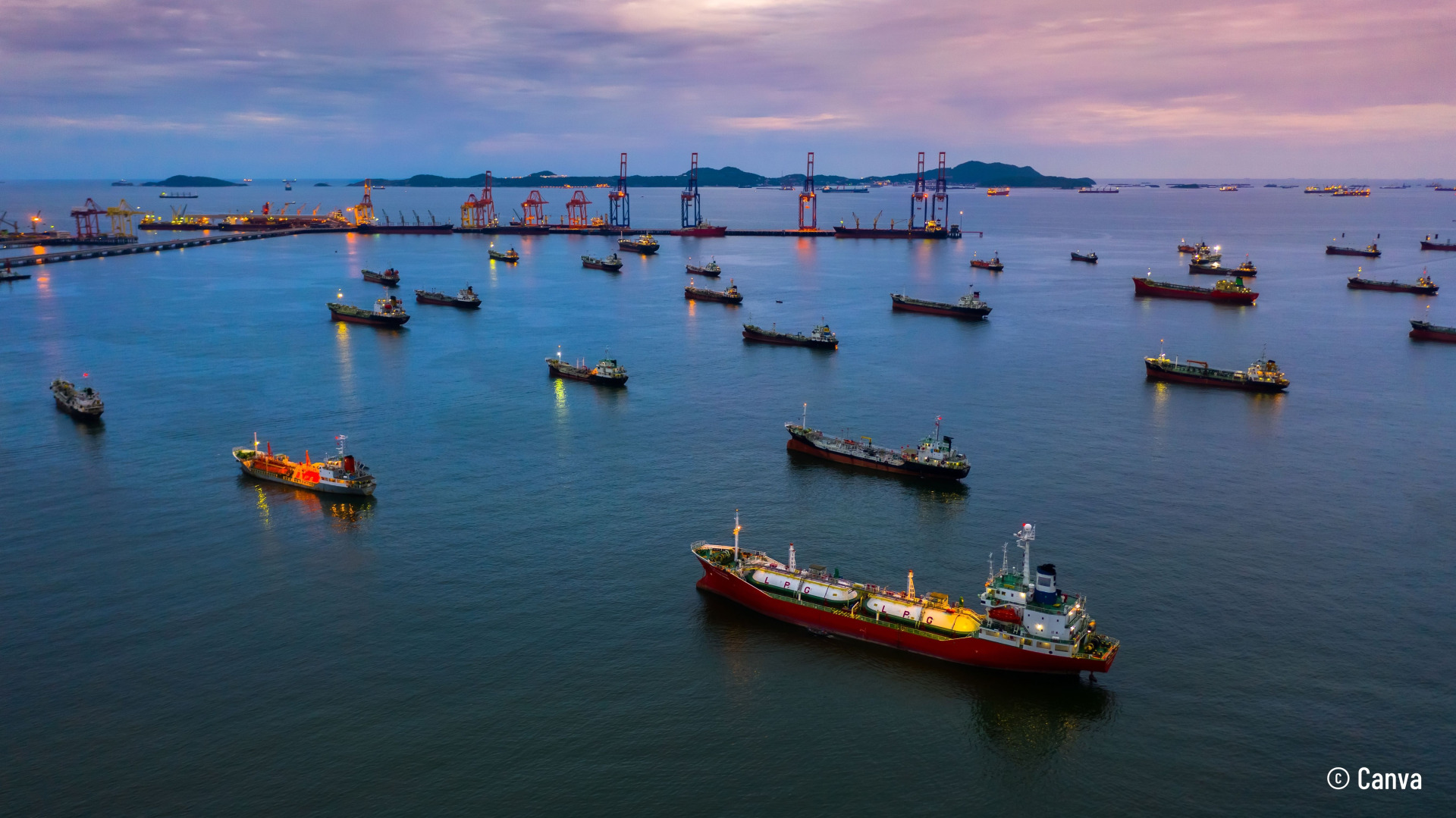
Beyond the borders of the EU, Japan is also getting increasingly worried about the oncoming crisis. The country, which imports more than 90% of its crude oil from the Middle East, has announced the biggest-ever release of oil from its own national strategic reserves, and in parallel, asked International Energy Agency (IEA) for an additional coordinated release of oil stockpiles on 25 March. The 32 member countries of the IEA — which include most EU Member States — had already agreed to release 400 million barrels of oil from their emergency reserves to address supply disruptions earlier this month.
However, beyond supply-side responses, the IEA advocates for exploring demand-side options, which can also contribute to alleviating the effects of oil shocks. In its latest report, the organisation indeed proposes ten measures for households, businesses and governments to shelter themselves from oil shocks and relieve the strains on energy affordability. The recommendations include working from home, driving slower, using public transport, increasing the use of car-sharing, and avoiding air travel. In addition, the IEA also suggest phasing out liquefied petroleum gas (LPG) used in transport and cooking, and for industry to optimise equipment operations and maintenance, which could reduce oil use in facilities, as well as to prioritise the processing of oil feedstocks with higher volumes.
In this context, EERA will continue advocating for science-based decision making, and for a swift and steady clean energy transition, which remains the safest and most efficient path towards energy security and independence.
Login as an EERA member
In case you are an EERA member and don’t have login details, please contact secretariat@eera-set.eu
Join EERA
You are not an EERA member yet? Then you are missing out on a lot!
EERA gathers the best energy researchers and infrastructures in the whole of Europe
EERA makes your voice heard in the political discussions at the European level
EERA offers great networking opportunities with peers from your discipline - and others